Skip to content
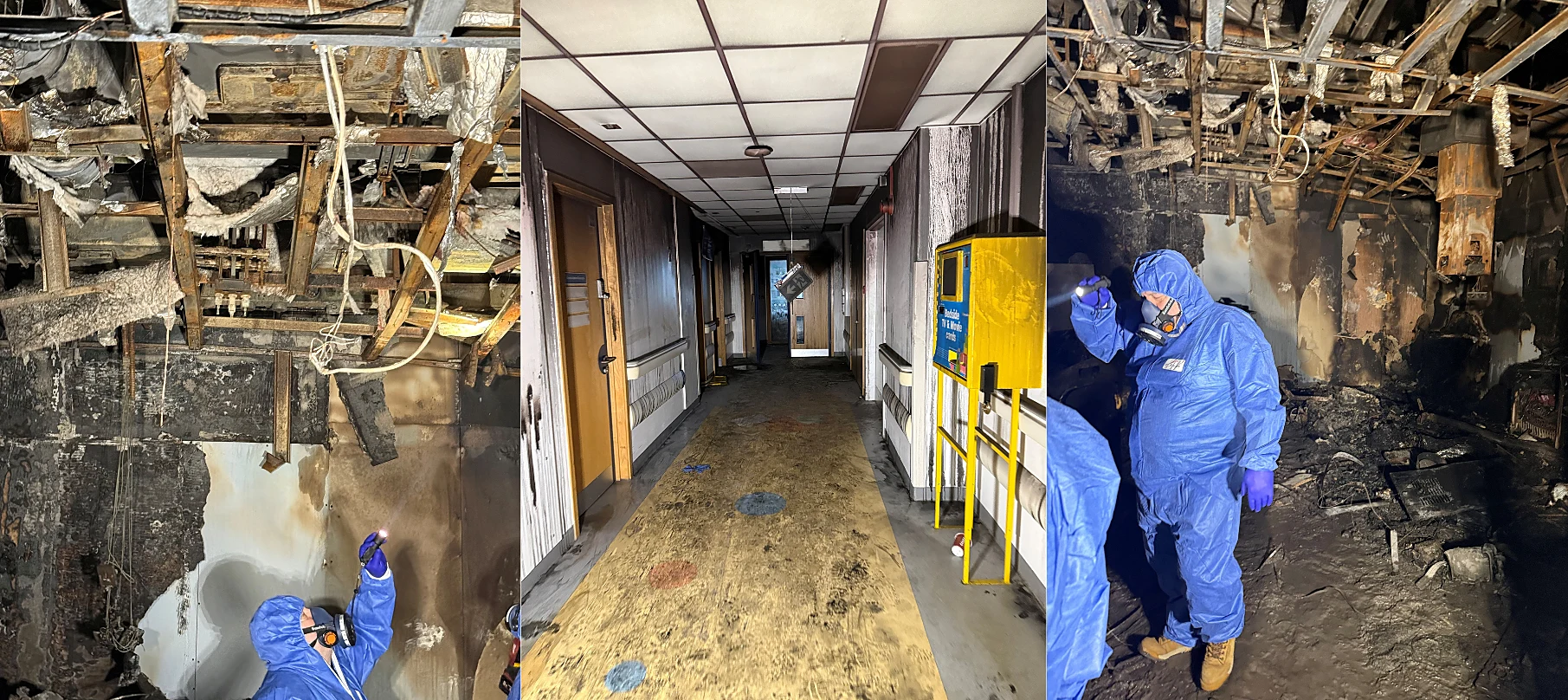
Investigators in protective suits and respirators inspecting a fire-gutted hospital ceiling and smoke-blackened corridor

1,760

UK fire & rescue call-outs · 2025

lithium-ion battery fires. One every five hours.

Fires linked to lithium-ion batteries rose 147% in three years, and almost a quarter of them happened in commercial premises. The consequences are catastrophic: business disruption, lost revenue, smoke and water damage, and toxic pollution.

Pictured

The aftermath of one equipment fire: Southampton General Hospital, February 2026. About 500 patients were moved and 200 beds were lost.

Source: QBE Freedom of Information data from 42 of 49 UK fire & rescue services, published May 2026 (FPA, Circular Online).

Lithium-ion fires reported · UK

Battery fires are now a business risk

UK fire and rescue services are now called to a lithium-ion battery fire almost five times a day. These are confirmed call-outs, from Freedom of Information returns.

1,760

lithium-ion battery fires attended in 2025.

4.8

fires a day. That’s one every five hours.

147%

rise in three years.

520

e-bike fires in 2025.

279

electric vehicle fires in 2025, up 133% since 2022.

206

e-bike and e-scooter fires in London alone, a record year.

What one fire claim costs

Average lithium battery fire claim£50k
Tennis ball machine fire (our case study)£180k
Largest claim: one battery vacuum cleaner£420k+

Even an everyday cordless device can start a fire that costs six figures.

How people charge

78%regularly charge battery products overnight
45%use uncertified chargers

Those habits come to work with your staff. Charging is when batteries are most likely to fail.

Sources: QBE Freedom of Information data from 42 of 49 UK fire & rescue services, published May 2026 (FPA, Circular Online) · London Fire Brigade, January 2026 · Allianz claims data and survey of 2,000 UK adults, November 2024.

Catastrophic consequences

The fire is only the start

Every fire leaves costs that last long after the flames are out: business disruption, lost revenue, smoke and water damage, and environmental pollution.

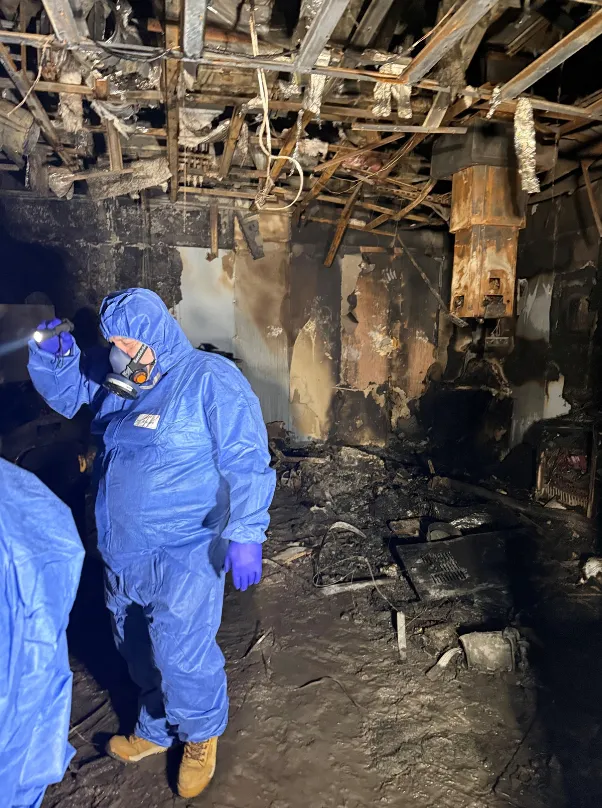
Investigator in protective suit and respirator inspecting a fire-gutted hospital area

University Hospital Southampton

~500 patients

Business disruption

  • An electrical fire in the endoscopy unit at Southampton General on 1 February 2026 put the hospital into a nine-day major incident.
  • Patients were moved, outpatient clinics and planned surgery were cancelled, and 200 bed spaces were lost to fire, smoke or water damage.

UHS · QBE FOI data 2026. Southampton’s cause was electrical.
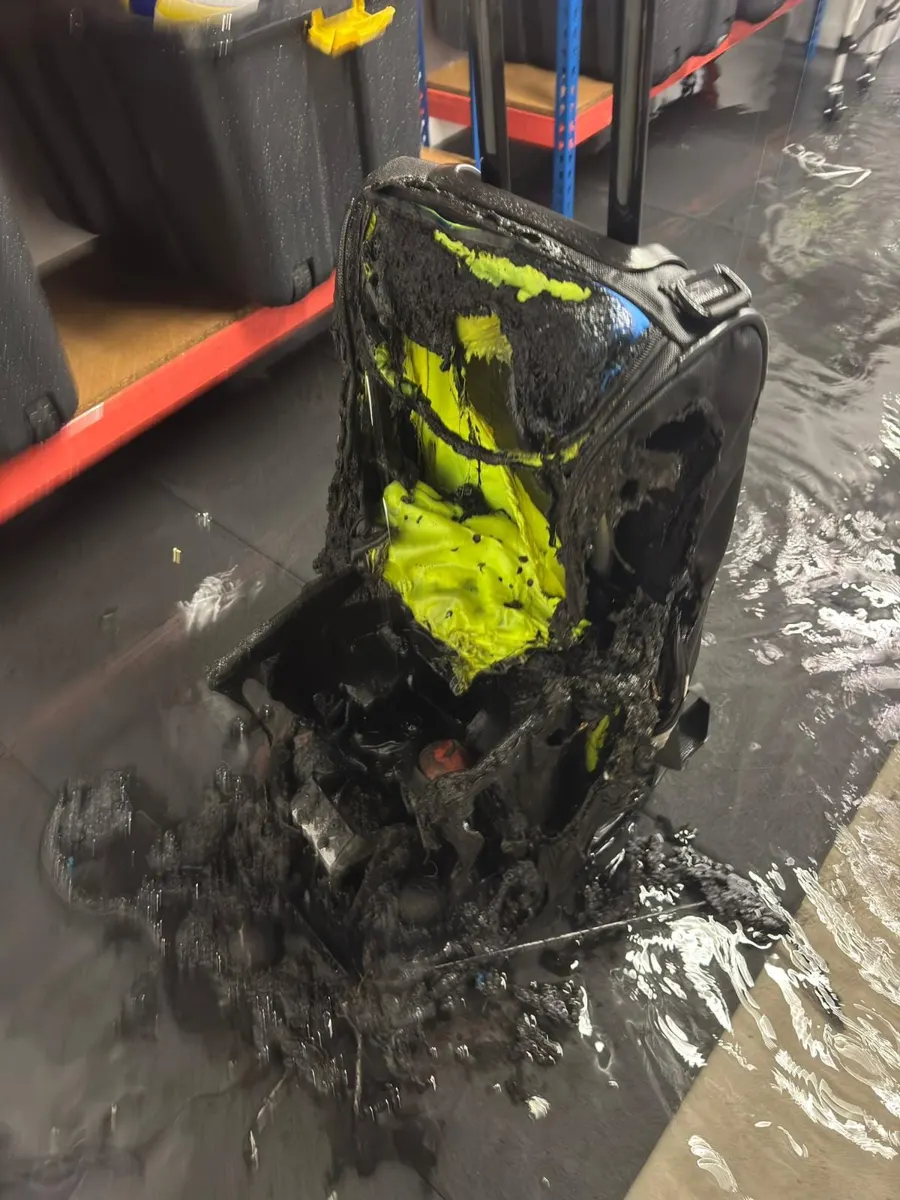
Tennis equipment destroyed by a lithium-ion battery fire

Lithium-ion · on charge

£180,000

Lost revenue

  • The tennis ball machine cost £1,200 to replace.
  • Its lithium-ion battery ignited on charge. Business disruption, lost revenue, and smoke and water damage clean-up came to £180,000.

FirePro UK case study (NDA)

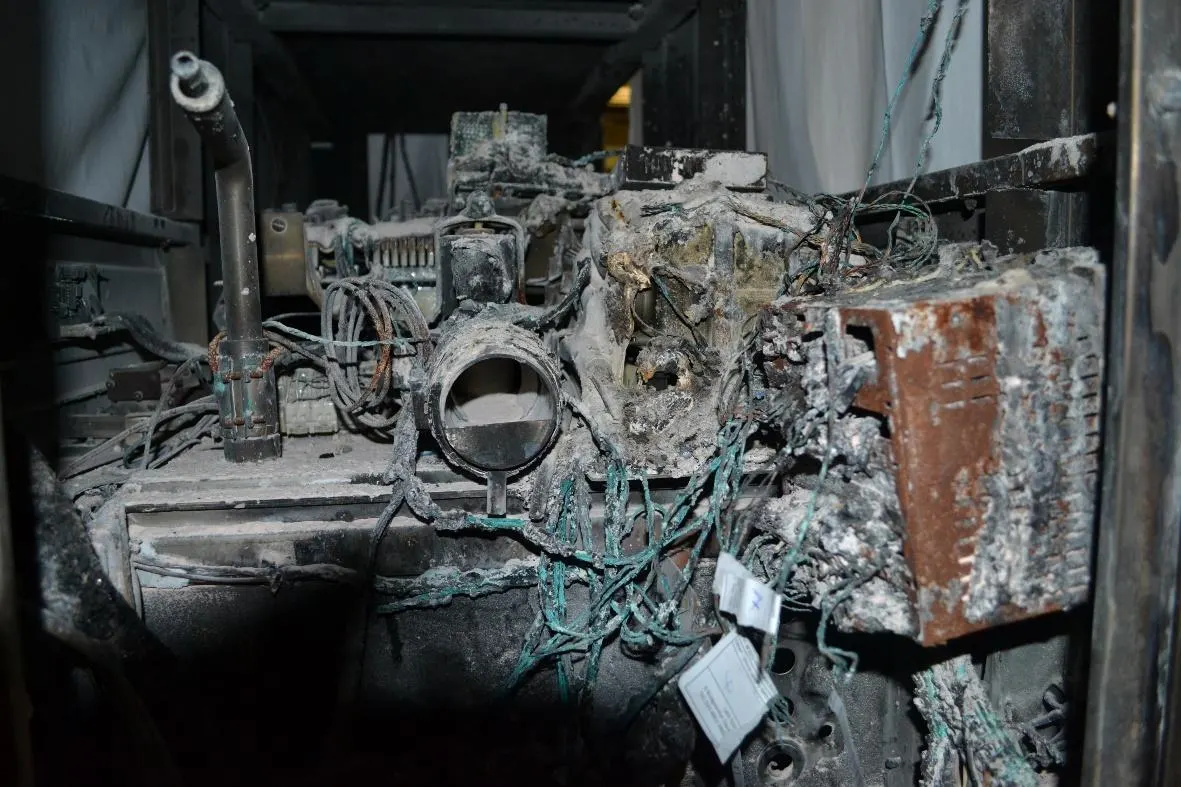
Inside of an NHS sterilisation machine gutted by fire

NHS sterilisation machine

4th floor

Smoke & water damage

  • One machine fire in an NHS sterile services unit. Portable extinguishers didn’t work.
  • Firefighting water spread to areas far from the room, and all of them needed a full sterile clean and redecoration. Critical patient care was disrupted.

FirePro UK case study (NDA)

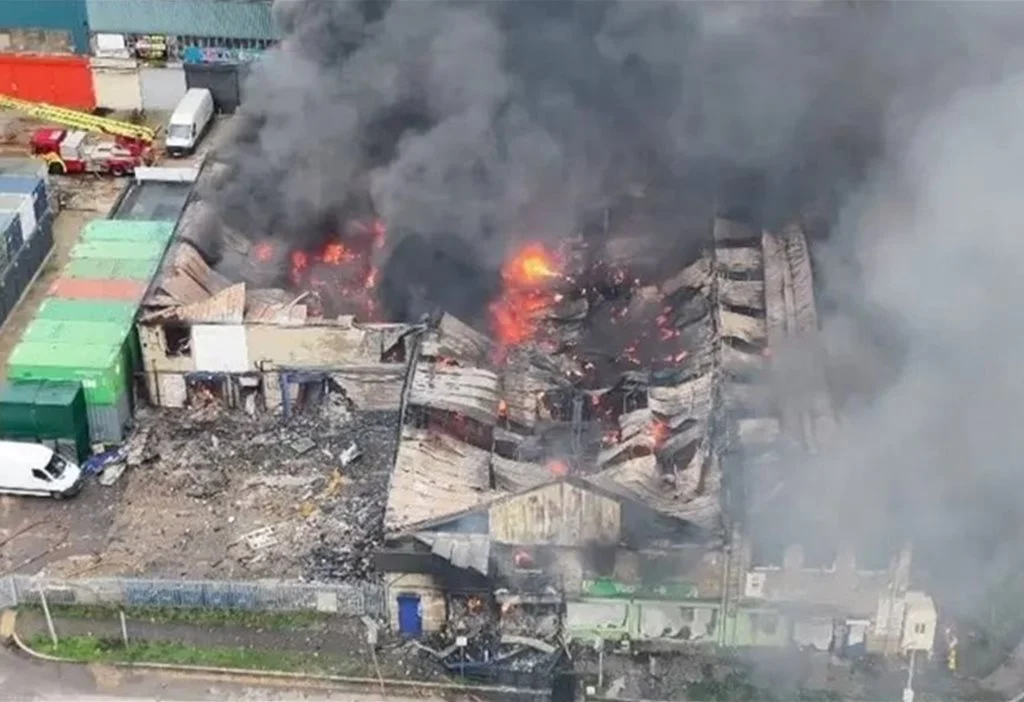
Aerial view of a commercial building ablaze, sending a huge plume of black smoke over the surrounding area

Toxic smoke

10–100 g

Environmental pollution

  • Burning lithium-ion cells release 20–200 mg of toxic hydrogen fluoride for every Wh of capacity. One 500 Wh e-bike battery could produce 10–100 g.
  • Battery fires break out in UK bin lorries and waste sites more than 1,200 times a year, up 71%. The ESA puts the cost at over £1bn a year.

Larsson et al., Scientific Reports 2017 · SUEZ / Material Focus / ESA

Tennis ball machine and bag melted and charred by a lithium-ion battery fire, standing in firefighting water beside storage racking

Case study · under NDA

Lithium-ion · on charge

£1,200The cost to replace the machine.
£180,000Business disruption, lost revenue, smoke and water damage clean-up.

Plugged in. Charging. Destroyed.

A lithium-ion battery ignited while on charge and destroyed the tennis equipment around it. Damage and repair costs passed £180,000. That’s 150 times the price of the machine.

A fire-rated charging safe would have contained it. A fire suppression charging locker would have detected and extinguished it automatically.

This is avoidable

Charge and store batteries where a fire can’t escape

Most battery fires start during charging. FirePro UK supplies two engineered answers: fire-rated safes that contain a thermal runaway, and charging lockers that detect and put out a fire automatically.

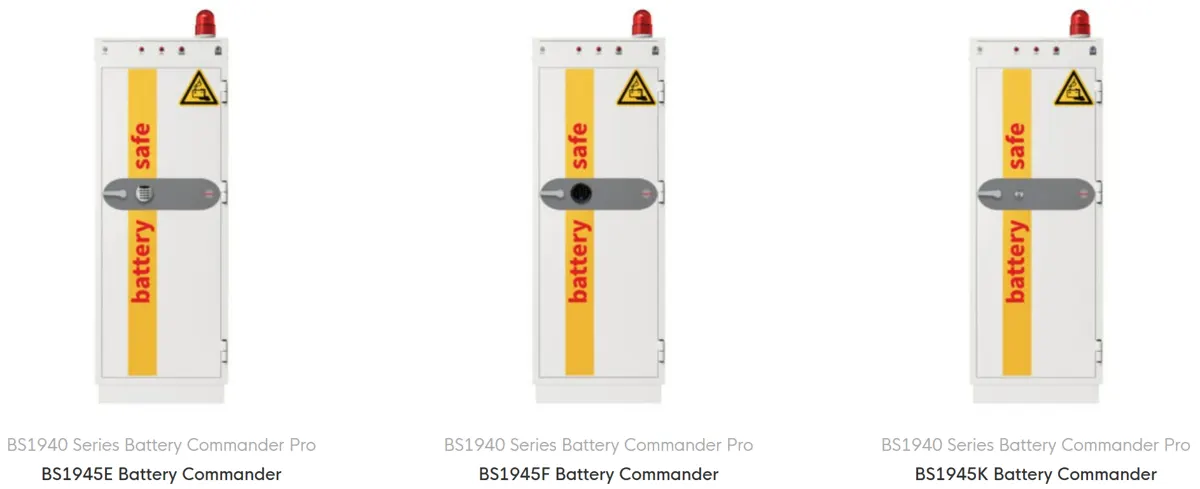
Battery Commander Pro fire-rated lithium-ion battery safes

Fire rated

Lithium-ion battery charging safes

  • Built to contain a fire from inside out. Commander Pro is certified to VDMA 24994:2024-08
  • Store and charge up to 22,500 Wh of batteries
  • Smoke detection, alarm and automatic power cut-off

Safe lithium-ion battery storage

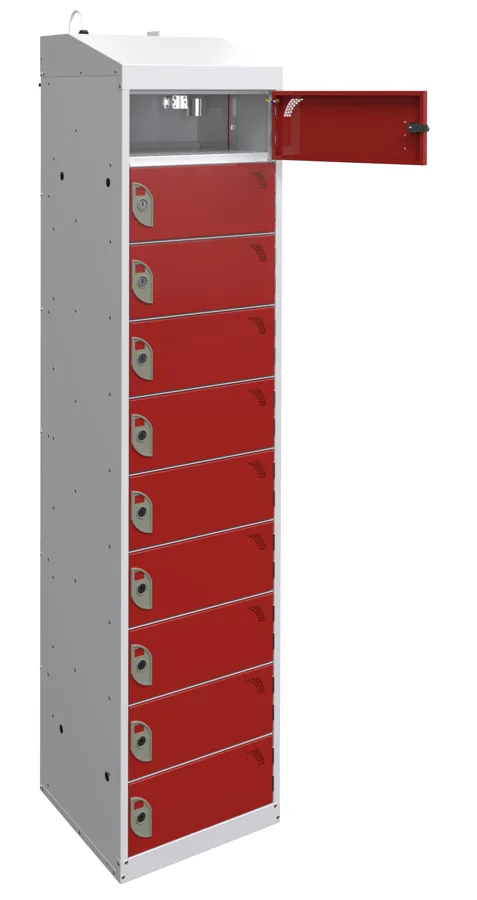
10 compartment fire suppression charging locker with red doors, top compartment open

Non fire rated · active suppression

Fire suppression charging lockers

  • Two FirePro FP-40T aerosol generators in every locker
  • Linear heat detection in every compartment, with suppression at 68°C
  • 4, 6, 8 or 10 lockable compartments, each with its own charging socket

Fire suppression charging lockers

Proven in the field

Second fire. No damage.

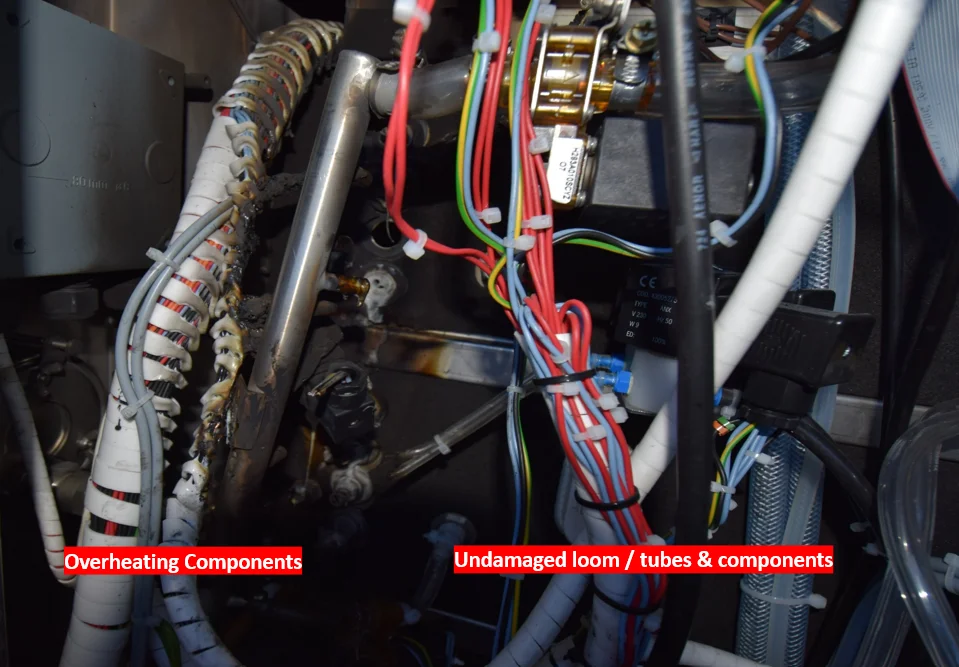
An NHS sterile services unit lost a machine and flooded the floor in its first fire. FirePro installed in-cabinet suppression. Seven months later a second fire broke out, and the system put it out inside the machine. When the fire service arrived 12 minutes later there was nothing left to fight.

Interior of sterilisation machine destroyed by fire

Fire 1 · before FirePro

Inside the machine after fire 2: overheating components contained, surrounding wiring loom and tubes undamaged

Fire 2 · FirePro fitted